Switching internet providers always involves a calculation: is the new service worth the disruption of getting there?
For a long time, that disruption has been significant. Installation appointments need scheduling weeks out. Service gaps leave you without a connection for days or longer. During that time, video calls drop, work-from-home setups go dark, and anything that runs over the internet stops working. Often, it’s easier to stay with a mediocre provider because changing feels riskier than staying put.
5G home internet has changed some of that math. The setup process is shorter, the infrastructure can be more reliable, and for many households, switching no longer requires a leap of faith.
What Makes Switching Providers So Disruptive
The core problem with switching internet providers is timing. Your new provider can't activate service until a technician installs the equipment. That appointment might be days away or weeks out, depending on demand and your location. Your old service remains the only option until that window arrives.
That gap matters most for households that rely on the internet for more than casual use. Remote workers can't be offline for a week without significant consequences. Students fall behind without connectivity.
Even after the installation appointment arrives, delays aren't guaranteed to end. Technicians sometimes can't complete the work in one visit. Equipment might need to be ordered. A second appointment and more waiting inevitably follow. Your household stays in limbo, often paying for both services during the overlap or dealing with having neither.
The financial friction adds to the problem. Running two services at once to avoid a gap costs money. Canceling one before the other is confirmed means risking downtime. Neither option is ideal. In many cases, that financial bind alone can make a better deal feel out of reach.
When Your Phone Service Is Also on the Line
Anyone using a voice over internet protocol (VoIP) home phone service faces a more direct problem: no internet means no phone. Dropping your current provider too early can leave the household without a phone line until the new connection is live.
For households that use VoIP for business, even a few days without a phone line can create big problems. Clients calling during the gap reach no one.
The connection between internet service and phone service also means that switching providers requires coordinating two things at once. You need to time the internet transition carefully to avoid a window where both go offline simultaneously. One scheduling mistake can leave you without either service for longer than planned.
Rural Households Have Fewer Safety Nets
The risks of switching internet providers don't fall evenly across locations. In suburban and urban areas, competition among providers can lead to faster installations, greater scheduling flexibility, and stronger fallback options during the transition. Rural areas rarely have those advantages.
With fewer providers serving rural areas, installation queues run longer. A technician visit that takes a week to schedule in a city might take three or four weeks in a less-populated area.
Fallback options are also limited. Urban households stuck in a service gap can sometimes use a mobile hotspot or find a coffee shop with reliable Wi-Fi. Rural households often have neither. Cellular data in rural areas can be inconsistent. Nearby public Wi-Fi is rare. Staying connected during a provider switch may mean either absorbing the downtime or paying for a temporary satellite connection that works poorly and costs more.
For households in these areas, the decision to switch internet providers isn’t just inconvenient. It’s a genuine risk calculation, and the math often doesn’t add up.
How 5G Home Internet Changes the Equation
A 5G home internet provider eliminates several of the steps that create risk in the first place. There's no technician to schedule. The gateway device ships directly to your home. You plug it in, place it near a window, and the connection is live. For most households, that process takes under 15 minutes.
That speed removes the gap problem. You can order 5G service before canceling your current provider, confirm it works in your home, and then time the cancellation to avoid any overlap or lapse. There's no need to pick a cancellation date and hope the new installation lands on schedule.
For rural households specifically, this changes the risk profile. Where 5G coverage is available, the switching experience becomes similar to what urban households have had for years, and in some ways even better. You receive a device, set it up, and test it. The length of the scheduling queue at a local cable company no longer determines how long you're without a connection.
What a Lower-Risk Switch Looks Like Now
The practical steps for switching to 5G have changed in meaningful ways. The process now looks more like what you'd expect from changing a streaming subscription than from scheduling a cable installation.
It’s usually best to order the 5G gateway before doing anything else. This lets you test the connection in your home before touching your current service. Run a video call. Stream something. Check that the speeds match what you need. Only once you're satisfied does canceling the old service make sense.
Phone service deserves its own timing consideration. If your home phone runs on VoIP, wait until the 5G connection is confirmed stable before switching your phone service to the new connection. A few days of overlap protect you from a scenario where a configuration issue leaves both the internet and the phone offline at the same time.
The risk of switching hasn't disappeared entirely. Coverage gaps exist, and 5G performance depends on signal strength at your specific address. Confirming coverage before committing to a switch is still worth the few minutes it takes.
Switching Has a Lower Floor Now
The default outcome of switching internet providers used to always equal some amount of disruption. The question was how much. For households in rural areas, or those dependent on VoIP for their phone service, that disruption could be significant enough to make it too painful to switch providers.
5G home internet has raised the floor on what a transition looks like. Faster setup, wireless infrastructure, and the ability to test before you cancel have made switching providers something households can approach with more confidence and less exposure. The disruption isn't zero, but the window between old and new is much shorter than it used to be.
MONEY BACK GUARANTEE

SMS to Email
Announcements
Voicemail to Email
Call Forwarding
Toll Free / Vanity Number
or call (844) 843-4175
MONEY BACK GUARANTEE
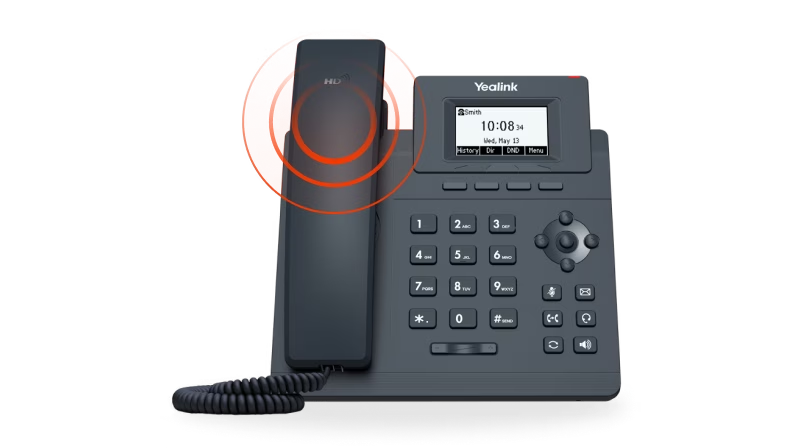
Free Desk Phone
Desktop & Mobile Apps
Local and Toll Free Numbers
Voicemail to Email
Text Messaging
Unlimited Calling
or call (844) 843-4174
MONEY BACK GUARANTEE

No Apps. No Texts. No Distractions.
No Strangers Allowed
Quiet Time Protected
Unlimited Calling
Emergency-Ready
or call (844) 843-4175
MONEY BACK GUARANTEE
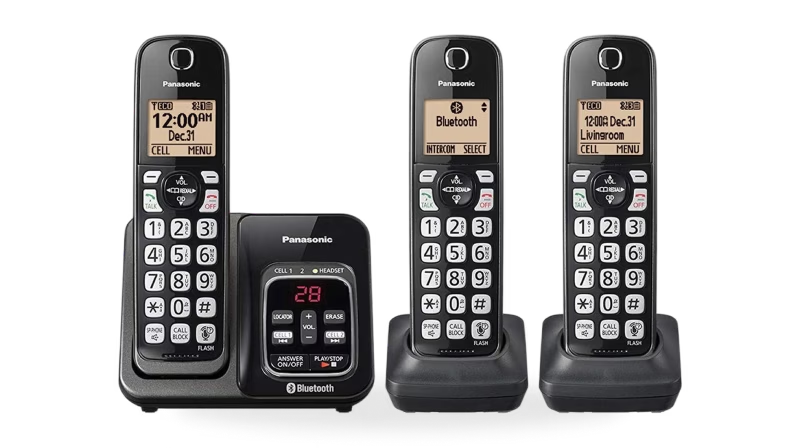
Unlimited phone service
Keep your existing number
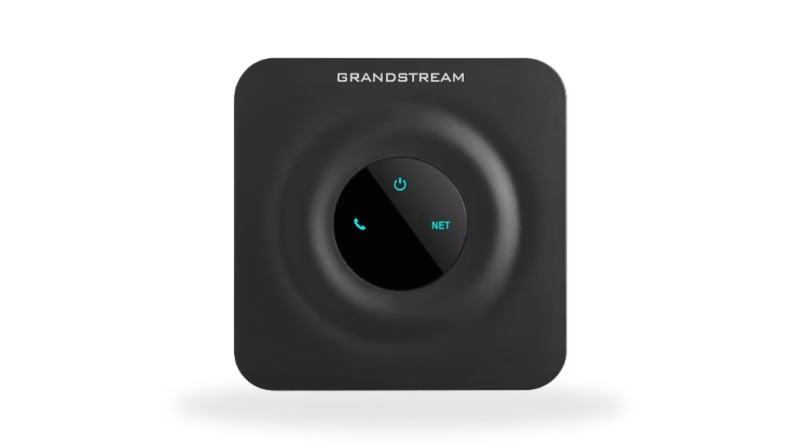
Free adapter & free shipping
No contracts/setup fees
Use existing analog phone
or call (844) 843-4175
MONEY BACK GUARANTEE

Unlimited Phone Service
Keep Your Existing Number
Free Adapter, Free Shipping
No Contracts/Setup Fees
Use Existing Analog Phone
or call (844) 843-4175
MONEY BACK GUARANTEE
Desktop and Mobile App
Email To Fax
Dedicated Fax Number
Easily Fax Documents
No Contracts/Setup Fees
or call (844) 843-4175
MONEY BACK GUARANTEE
Flexible Plans
Everywhere Connectivity
High-Speed Internet on the Go
Reliable Internet Connection
Easy Setup and Access
or call (844) 843-4175