Ask most homeowners what VoIP (Voice over Internet Protocol) phone service requires, and you'll hear some version of the same guesses: blazing-fast internet, complicated equipment, or using a connection that drops calls the moment two people in the house are online at once. None of that matches how residential VoIP phone services work today.
If you're not getting an accurate picture of VoIP, you may be missing out. More and more people are adopting VoIP phone service, won over by the simplicity, cost savings, broad range of add-on features, and flexible options for VoIP business phone service for hybrid work.
If you've passed over VoIP due to old myths, it may be time to give it another look.
Myth: VoIP Needs Blazing-Fast Internet
A common assumption is that a home phone running over the internet needs the same kind of connection you'd want for streaming a high-definition movie. That's not how a phone call works.
Voice calls use a small fraction of the bandwidth that video or large downloads require. A connection that comfortably handles everyday browsing, email, and the occasional video call typically has more than enough room left over for a phone line. You don't need a premium internet plan just to get clear, dependable calls.
This myth persists partly because internet service is usually measured by its speed. But for voice calls specifically, consistency matters more than raw speed, and most home connections already have plenty of both.
Myth: VoIP Requires Complicated Equipment
Another common assumption is that switching to VoIP means dealing with routers, configuration settings, or complicated installation. For many homeowners, that alone is reason enough to stick with what they already have.
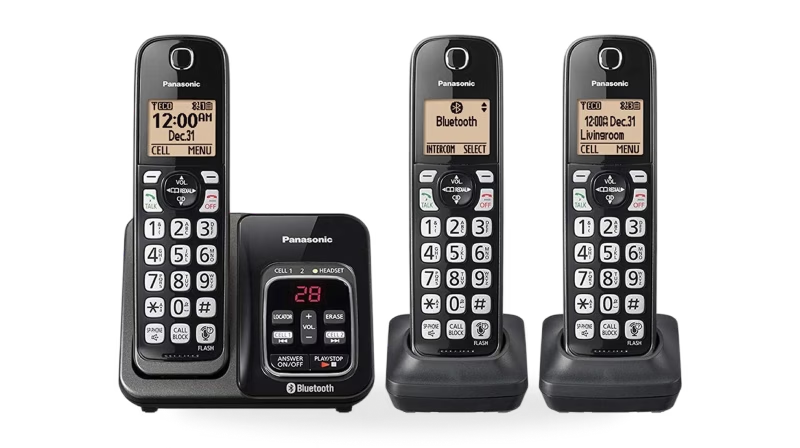
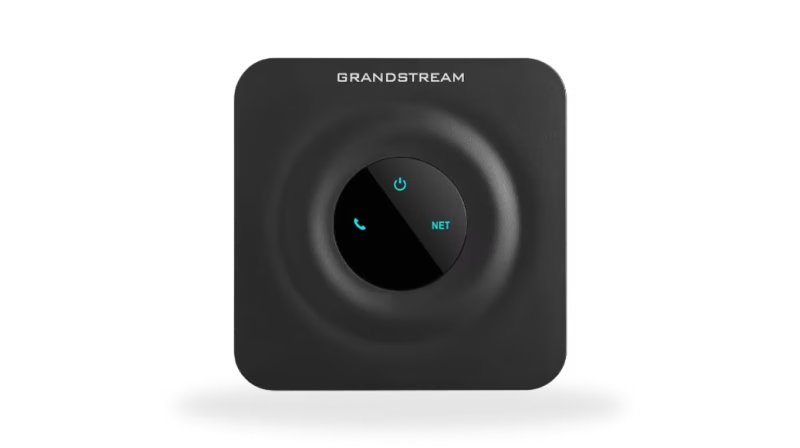
In practice, setting up a VoIP house phone service usually means plugging one small adapter into your internet router and connecting your existing phone to it. There's no separate app to configure, no settings menu to dig through, and no waiting on a technician. You use the same phone you've always used, dialing the same way you always have.
The equipment fear tends to stem from imagining VoIP as more like setting up a new computer than plugging in a phone. Once you see the actual setup, that comparison falls away quickly.
Why Old VoIP Comparisons Still Shape Today's Expectations
VoIP, as a category, has a reputation problem rooted in its early years. When internet-based calling first became available to homeowners, connections were slower, equipment was clunkier, and dropped or choppy calls were a common frustration. People who tried it back then, or heard about someone who did, walked away with a lasting impression.
That impression hasn't kept pace with how much the underlying technology has improved. Home internet speeds have increased substantially since those early years, and the systems handling voice calls have become far more efficient at prioritizing call quality over other traffic on the same connection. A service judged by its performance 20 years ago is being compared against a very different product today.
Old word-of-mouth is hard to shake, especially when it involves something as important as a home phone. But an experience from 20 years ago doesn't necessarily tell you what a modern VoIP service will be like today.
Technical Explanations Make the Confusion Worse
Part of how these misconceptions arise is in how VoIP is described in the first place. Explanations of VoIP often lead with acronyms and technical specifications rather than what actually changes for the person using the phone.
You don't need to understand how voice data travels over the internet to decide whether VoIP is right for your home. You need to know that the phone will ring the same way, that voicemail still works, that they can keep their existing number, that a call to a family member will sound the way it always has, and that you can accommodate hybrid work thanks to VoIP business solutions.
The easiest way to understand VoIP is to start with what stays the same. The phone still rings. You still pick it up. You still dial the way you always have. The technology carrying the call changes, but you keep the same reliable home phone service you always have.
What Residential VoIP Looks Like Day to Day
Once the myths are set aside, residential VoIP is fairly unremarkable in the best possible way. You plug a small adapter into your internet router, connect your existing phone, and use it the same as you always have. You can keep your existing number, use voicemail normally, and, in some cases, have voicemail messages sent to your email as well.
The biggest changes happen behind the scenes. Your phone no longer depends on a traditional phone line, which can save you up to 60% and result in clearer audio quality. Features such as call forwarding can give you more flexibility about where calls reach you, and SPAM blockers make sure you only get calls from people you want to hear from.
There's no need to learn how voice data moves across a network or understand the technical side of the connection. If the phone rings, your costs are affordable, your bill is streamlined, the call sounds clear, and the service works how and when you need it, the technology is doing its job.
Rethinking What You Know About VoIP
A lot of hesitation around VoIP comes from an older version of the technology or from imagining the setup as more complicated than it actually is. Slow connections and choppy calls were big concerns in the early days, but that's not what a modern residential service is like.
If you've avoided VoIP because you assumed it would require expensive equipment or a complicated setup or result in unreliable calls, it may be worth taking another look at the technology as it exists today. The right service should feel much like the home phone you're used to, but with a lower cost, flexible features, and crystal-clear sound.
MONEY BACK GUARANTEE

SMS to Email
Announcements
Voicemail to Email
Call Forwarding
Toll Free / Vanity Number
or call (844) 843-4175
MONEY BACK GUARANTEE
Free Desk Phone
Desktop & Mobile Apps
Local and Toll Free Numbers
Voicemail to Email
Text Messaging
Unlimited Calling
or call (844) 843-4174
MONEY BACK GUARANTEE

No Apps. No Texts. No Distractions.
No Strangers Allowed
Quiet Time Protected
Unlimited Calling
Emergency-Ready
or call (844) 843-4175
MONEY BACK GUARANTEE
Unlimited phone service
Keep your existing number
Free adapter & free shipping
No contracts/setup fees
Use existing analog phone
or call (844) 843-4175
MONEY BACK GUARANTEE


Unlimited Phone Service
Keep Your Existing Number
Free Adapter, Free Shipping
No Contracts/Setup Fees
Use Existing Analog Phone
or call (844) 843-4175
MONEY BACK GUARANTEE
Desktop and Mobile App
Email To Fax
Dedicated Fax Number
Easily Fax Documents
No Contracts/Setup Fees
or call (844) 843-4175
MONEY BACK GUARANTEE
Flexible Plans
Everywhere Connectivity
High-Speed Internet on the Go
Reliable Internet Connection
Easy Setup and Access
or call (844) 843-4175