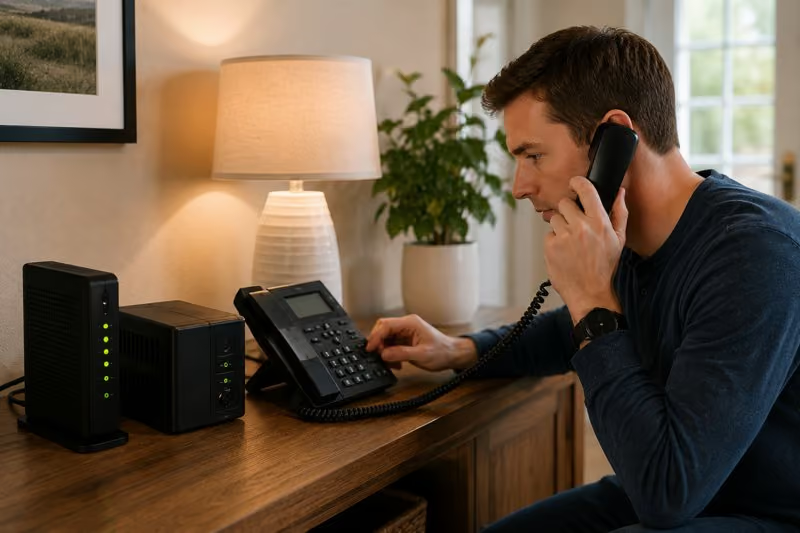
If you use a VoIP phone service for your home, emergency readiness starts with one simple question: Will this phone work the way you expect when the pressure is high? That question matters because emergencies don't leave room for confusion. You want the phone to be easy to find, easy to use, and connected to the right address.
A lot of people focus on features when they set up home phone service. Emergency readiness depends on more basic things. Your address has to be registered correctly. Your equipment needs backup power. The phone itself should stay usable even if the lights go out. Everyone in the house should know where it is and how to use it.
That kind of preparation doesn't take long, but it makes a real difference. A home phone becomes far more dependable when you know it is set up for the moments that matter most.
Why Emergency Setup Deserves Special Attention
A VoIP (Voice over Internet Protocol) phone works through your internet connection, which means its emergency readiness depends on more than the handset on the table. Your modem, router, and phone adapter all play a role. If one part fails or goes offline, the phone may stop working.
That doesn't make VoIP a bad option. It means you should treat emergency setup as part of the installation, not as something you'll get to later. Once you do that, the service becomes much more practical and much easier to trust.
This is also where familiarity matters. In an emergency, people reach for what they know. A home phone in a clear, consistent place gives everyone in the house one dependable point of contact.
Confirm Your E911 Address First
The first thing to check is your E911 address. Your provider needs the correct service address on file so emergency responders are directed to the right location. If you move, change units, or use the service at a seasonal home, update that address right away.
This step is easy to overlook because the phone may seem to work fine for everyday calls. Emergency calling is different. The address information has to be accurate before you need it, not after.
Take a few minutes to log in or contact your provider and confirm the details exactly as they should appear. That includes the house number, street name, apartment or unit number, and anything else needed to clearly identify the location.
Use a Phone That Stays Practical During an Outage
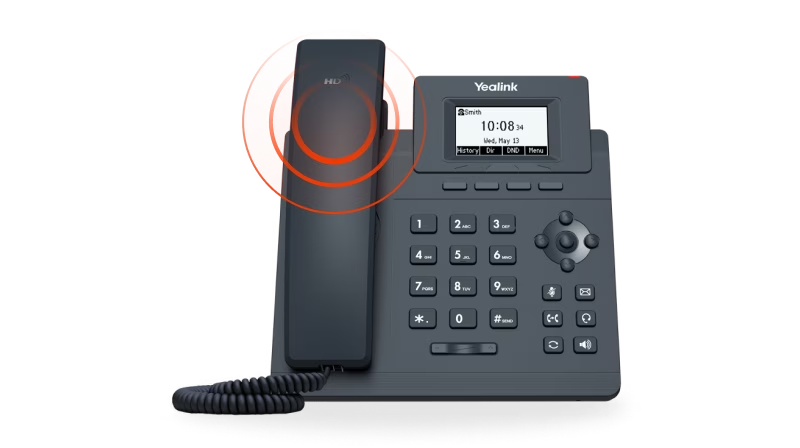
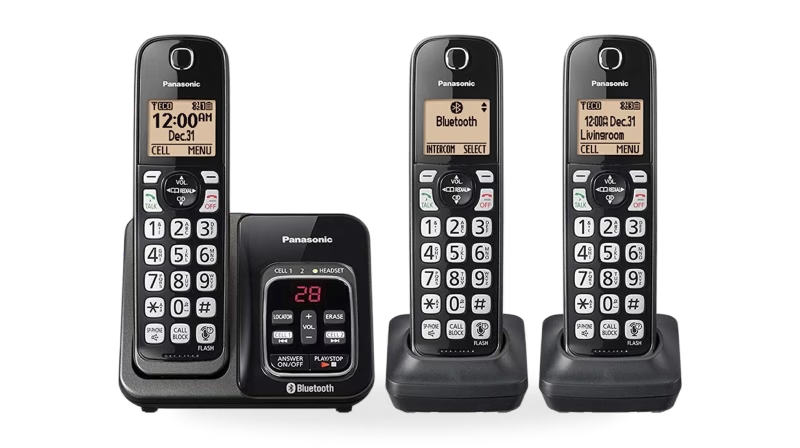
A corded phone is often the simplest choice for emergency use because it doesn't depend on a handset battery. If you prefer a cordless phone, choose one with a base that can stay powered through backup support, and make sure the handsets stay charged.
This is less about preference and more about reducing weak points. In a stressful moment, you don't want to discover that the cordless handset battery is low or missing from the room where you expected it to be.
It also helps to keep the emergency-ready phone in a stable, easy-to-reach location. Kitchens, main hallways, and common living areas tend to work better than tucked-away offices or spare rooms.
Give Your Equipment Backup Power
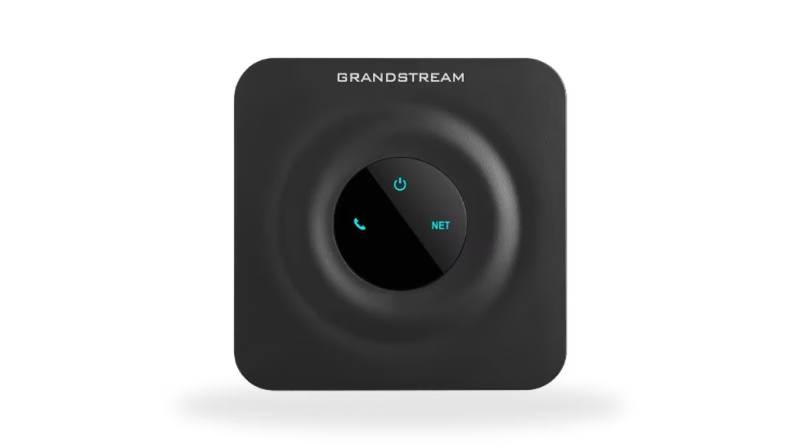
Your VoIP phone depends on the equipment behind it. If the modem, router, or VoIP adapter loses power, the phone may stop working even if the service remains available. A battery backup or uninterruptible power supply (UPS) can help bridge short outages and keep your system running long enough to place important calls.
You don't need to make the setup overly complicated. The goal is to keep the key pieces powered and improve reliability during short power interruptions and weather-related outages. It gives your phone a better chance of staying active when the rest of the house goes dark.
Test The Setup The Right Way
Once your address and equipment are in order, test the setup using your provider's instructions. Don't assume it is ready because the phone has a dial tone. Everyday calling and emergency calling are related, but they aren't the same thing.
Your provider may have a specific method for verifying emergency readiness without creating confusion for local dispatch. Follow those instructions closely. The point is to confirm the setup safely and correctly.
You should also test the broader experience inside the home. Make sure the phone rings clearly, stays in a consistent location, and feels familiar to the people who may need it.
Make Sure Everyone Knows Where The Phone Is
An emergency-ready phone helps most when everyone in the house knows where to find it. That can make a big difference for children, older adults, overnight guests, and anyone who may need to act quickly while someone else is unable to.
Keep the placement simple and consistent. Avoid moving the phone around from room to room. If your household relies on one main emergency phone, treat that spot as fixed.
It can also help to review a few basics with the household, such as:
- Where the phone is located
- How to pick it up and place a call
- When to use it instead of searching for a mobile phone
Just like any emergency plan, this can help remove hesitation and make sure the system serves its intended purpose.
Review Your Setup After Changes
Emergency readiness is not a one-time task. If you move, replace equipment, change your internet setup, or shift the phone to another property, review the basics again. Small changes can affect your reliability if not properly checked.
You should revisit:
- Your registered E911 address
- Your backup power setup
- Where your phone equipment is located in the home
- Any provider guidance about testing
A quick review after major changes helps keep the setup dependable without turning it into a major project.
Keep Reliability And Familiarity at the Center
A home VoIP phone is most useful in an emergency when it feels simple, stable, and familiar. Fancy features don't matter much in the moment of an emergency. Correct address information, backup power, and a phone everyone can find matter much more.
That is the standard to aim for. You want a reliable home phone service that supports calm action under stress. If you haven't reviewed your emergency readiness recently, now is a good time to do it. A few small checks can make your home phone far more dependable.
MONEY BACK GUARANTEE

SMS to Email
Announcements
Voicemail to Email
Call Forwarding
Toll Free / Vanity Number
or call (844) 843-4175
MONEY BACK GUARANTEE
Free Desk Phone
Desktop & Mobile Apps
Local and Toll Free Numbers
Voicemail to Email
Text Messaging
Unlimited Calling
or call (844) 843-4174
MONEY BACK GUARANTEE

No Apps. No Texts. No Distractions.
No Strangers Allowed
Quiet Time Protected
Unlimited Calling
Emergency-Ready
or call (844) 843-4175
MONEY BACK GUARANTEE
Unlimited phone service
Keep your existing number
Free adapter & free shipping
No contracts/setup fees
Use existing analog phone
or call (844) 843-4175
MONEY BACK GUARANTEE


Unlimited Phone Service
Keep Your Existing Number
Free Adapter, Free Shipping
No Contracts/Setup Fees
Use Existing Analog Phone
or call (844) 843-4175
MONEY BACK GUARANTEE
Desktop and Mobile App
Email To Fax
Dedicated Fax Number
Easily Fax Documents
No Contracts/Setup Fees
or call (844) 843-4175
MONEY BACK GUARANTEE
Flexible Plans
Everywhere Connectivity
High-Speed Internet on the Go
Reliable Internet Connection
Easy Setup and Access
or call (844) 843-4175